We Don't Sell Refractories.
We Engineer Petrochemical Furnace Lining Systems.
Zone-specific castable packages for cracking furnaces, reformers, process heaters, and sulfur recovery units — engineered around your process chemistry, not a standard catalog. Anti-coking and sulfur-resistant grades. Backup insulation included in combined proposals. From Zibo's six-decade refractory heritage, direct to your petrochemical furnace.
Your Furnace Lining Supplier May Be Your Biggest Process Risk
$25,000+/Hour
Unplanned cracking furnace downtime from lining failure costs $25,000–$60,000 per hour in lost throughput and decoking cycle disruption. Most failures are material selection failures — not material quality failures. (Typical industry range)
18-Month vs 36-Month Life
The difference between an 18-month and a 36-month lining campaign in a cracking furnace is rarely the brand of castable. It is whether the hot face grade was selected for your specific coking rate and tube skin temperature — or pulled from a standard price list. (Based on field observations)
Sulfur Breakthrough
Process heaters and sulfur recovery unit linings operating in high-H₂S environments require sulfur-resistant grades with controlled porosity. Standard high-alumina castable in these zones fails within 12–18 months. The failure mode is gradual — and invisible until it isn't. (Based on field observations)
61% of Petrochem Lining Failures
Industry maintenance data consistently identifies incorrect material specification — not manufacturing defect — as the primary driver of premature lining replacement in cracking furnaces and process heaters. (Industry maintenance data)
We Don't Specify One Grade for the Entire Furnace
A cracking furnace hot face operates above 1200°C under coking atmosphere. The backup insulation layer behind it operates at 400–600°C and requires a completely different material class. The transition zone between them is the most commonly misspecified — and the most commonly failed — section of the lining system. We engineer the complete zone stack, not individual layers.
Controlled surface porosity
H₂ resistance / dimensional stability
H₂S environment
Shell temperature control
Vuulcan can include hot face castable, backup insulation, and anchorage components in a single combined lining proposal — single-source coordination across the full zone stack. Request a full furnace lining consultation →
Why Zone-Specific Matters
The Castable Sourcing Triangle
Premium global suppliers built deep specification capability — and price accordingly. Generic exporters compete on price with no engineering behind the material. Vuulcan operates in the gap: Zibo cluster-direct supply, process-chemistry-matched specification depth, focused on castable engineering for petrochemical furnace lining systems.
We are the supplier that will review your process chemistry before specifying a grade — and tell you which zones require anti-coking treatment and which require sulfur resistance — before you sign the purchase order. When we specify backup insulation or anchorage alongside your castable, it is because the application demands it — not because we are a catalogue supplier.
Petrochemical Furnace Lining Systems — Zone-Engineered Castable & Insulation Packages
One coordinated lining package per furnace — hot-face castable matched to each zone's process chemistry, plus backup insulation, specified together rather than picked from a standard catalog.
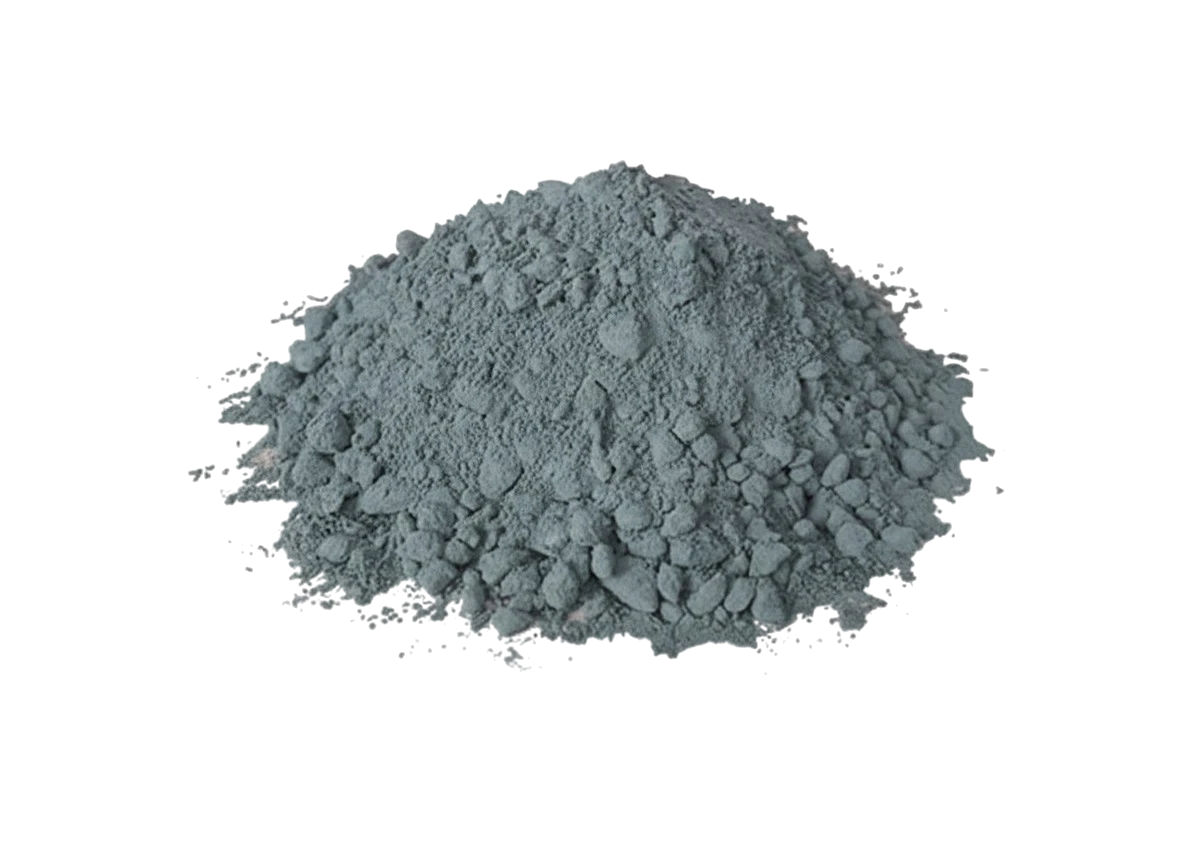
Engineered for Cracking, Reformer, Process Heater & SRU Zones
Process-chemistry-matched castable systems for petrochemical furnace lining. Anti-coking, sulfur-resistant, and backup insulation grades. Typical performance ranges shown below — final grade selection based on process chemistry, operating temperature, and furnace profile.
| Zone | Grade | Al₂O₃ | Density | CCS (110°C) | Max Temp | Key Property |
|---|---|---|---|---|---|---|
| Cracking Furnace Hot Face | CR-80 | 80% | 2.75 g/cm³ | ≥ 55 MPa | 1300°C | Anti-coking / thermal cycling |
| Reformer Furnace | HA-75 | 75% | 2.65 g/cm³ | ≥ 45 MPa | 1250°C | Dimensional stability / H₂ resistance |
| Process Heater Hot Face | SR-70 | 70% | 2.55 g/cm³ | ≥ 40 MPa | 1200°C | Sulfur-resistant / controlled porosity |
| Sulfur Recovery Unit | SR-65 | 65% | 2.45 g/cm³ | ≥ 35 MPa | 1100°C | H₂S resistance / low conductivity |
| Backup Insulation Layer | INS-10 | — | 0.85 g/cm³ | ≥ 8 MPa | 1000°C | Shell temperature control |
Grades above are representative. Al₂O₃ content and performance data are typical values from Zibo cluster production. Anti-coking and sulfur-resistance profiles verified by production batch testing. Full datasheet and COA available upon request.
What Zone-Engineered Petrochemical Lining Systems Look Like in Practice
The following reflects typical application scenarios and industry-documented failure patterns in petrochemical furnace operations. Vuulcan technical proposals are structured around the same diagnostic framework.
Scenario: Ethylene cracking furnace operator reporting accelerated coke buildup on hot face lining surface, requiring decoking cycles every 45–55 days instead of planned 90-day intervals. Standard HA-75 castable installed at previous turnaround.
Root cause: Hot face castable surface porosity too high for operating coking atmosphere. Coke infiltration into open pores accelerating surface degradation and reducing effective lining thickness between decoking cycles.
Material adjustment: CR-80 anti-coking grade with controlled closed-porosity surface profile. Anchor spacing adjusted to 200mm to minimize coke bridging points.
Outcome range: Industry documentation for equivalent anti-coking grade substitution shows decoking interval extension of 60–90% and lining campaign life improvement to 30–42 months.
Scenario: Fired process heater lining in high-H₂S service showing visible surface degradation at 14 months. Shell temperature creeping above design limit. Standard high-alumina castable (Al₂O₃ 70%) specified at previous inspection.
Root cause: Standard high-alumina binder phase not resistant to H₂S penetration at operating temperature (950°C sustained). Sulfur attack on binder causing progressive porosity increase and thermal conductivity rise.
Material adjustment: SR-70 sulfur-resistant grade at hot face, INS-10 backup insulation layer thickness increased by 40mm to recover shell temperature margin.
Outcome range: Lining service life in equivalent H₂S environments extended to 28–36 months with SR-series grades and correct backup insulation specification.
Before the Brand
Came the Furnace Line.
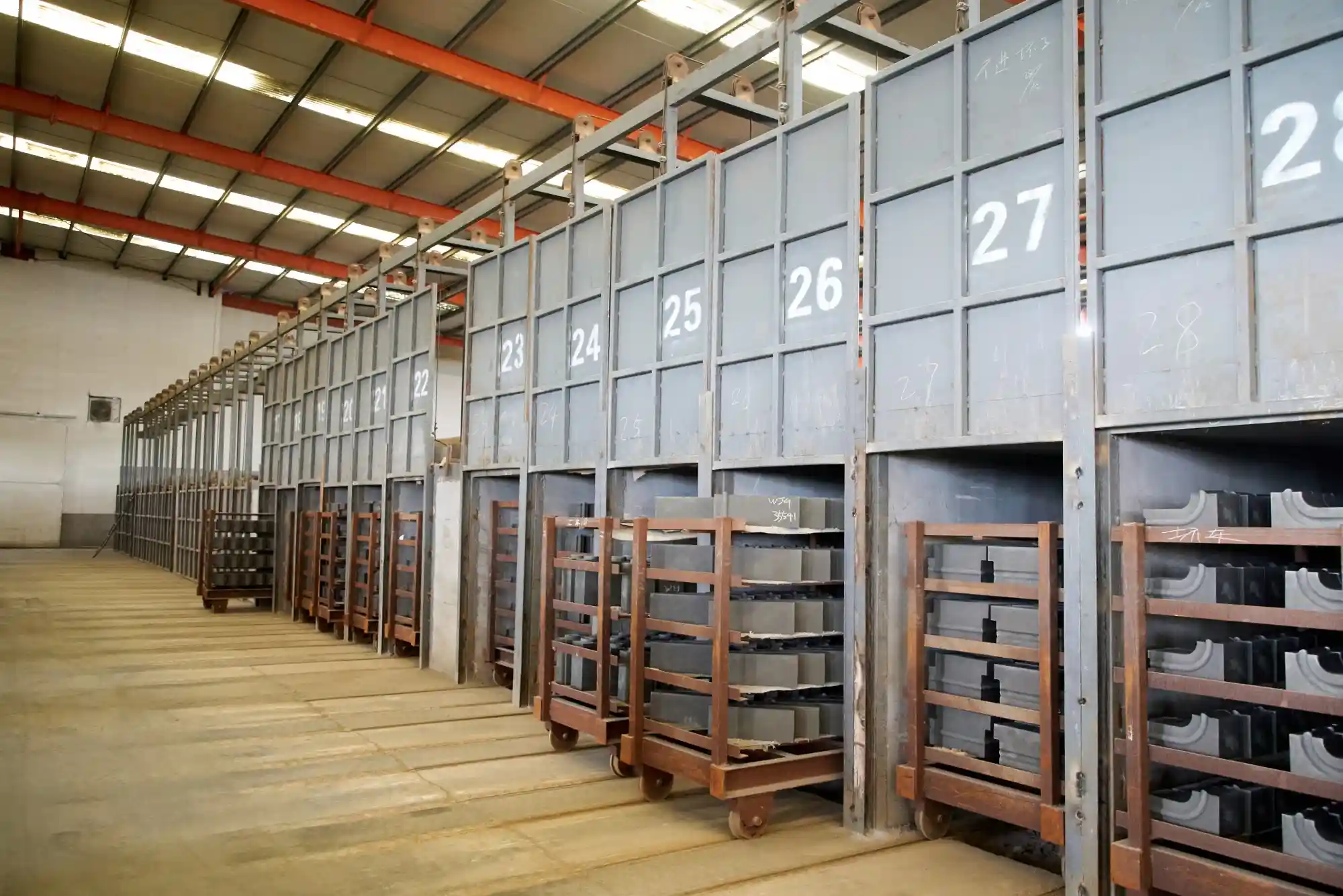
Vuulcan Refractories was founded by a team that grew up inside Zibo's refractory manufacturing industry. We did not enter refractories from the market side — we entered the market from inside the industry. Our experience began on production lines, beside furnaces, raw material systems, and quality control laboratories. Over 20 years of manufacturing experience shaped how we evaluate materials, select production partners, and engineer refractory systems for demanding thermal environments.
The raw material science behind quality refractory brick — particle size distribution, binder chemistry, sintering behaviour — is also the foundation of monolithic castable engineering. As Zibo's refractory cluster evolved from brick-only production into castable systems, it carried decades of firing knowledge into a new product form. Our castable recommendations are grounded in that same production-side understanding — formulation judgment built from making, not from sourcing.
Today, Vuulcan operates as a cluster-backed brand — matching each application to the right production partner within Zibo's qualified manufacturing network. Vuulcan owns the engineering interface and quality oversight. The cluster provides the manufacturing depth.


Certifications Held by Our Zibo Production Partners
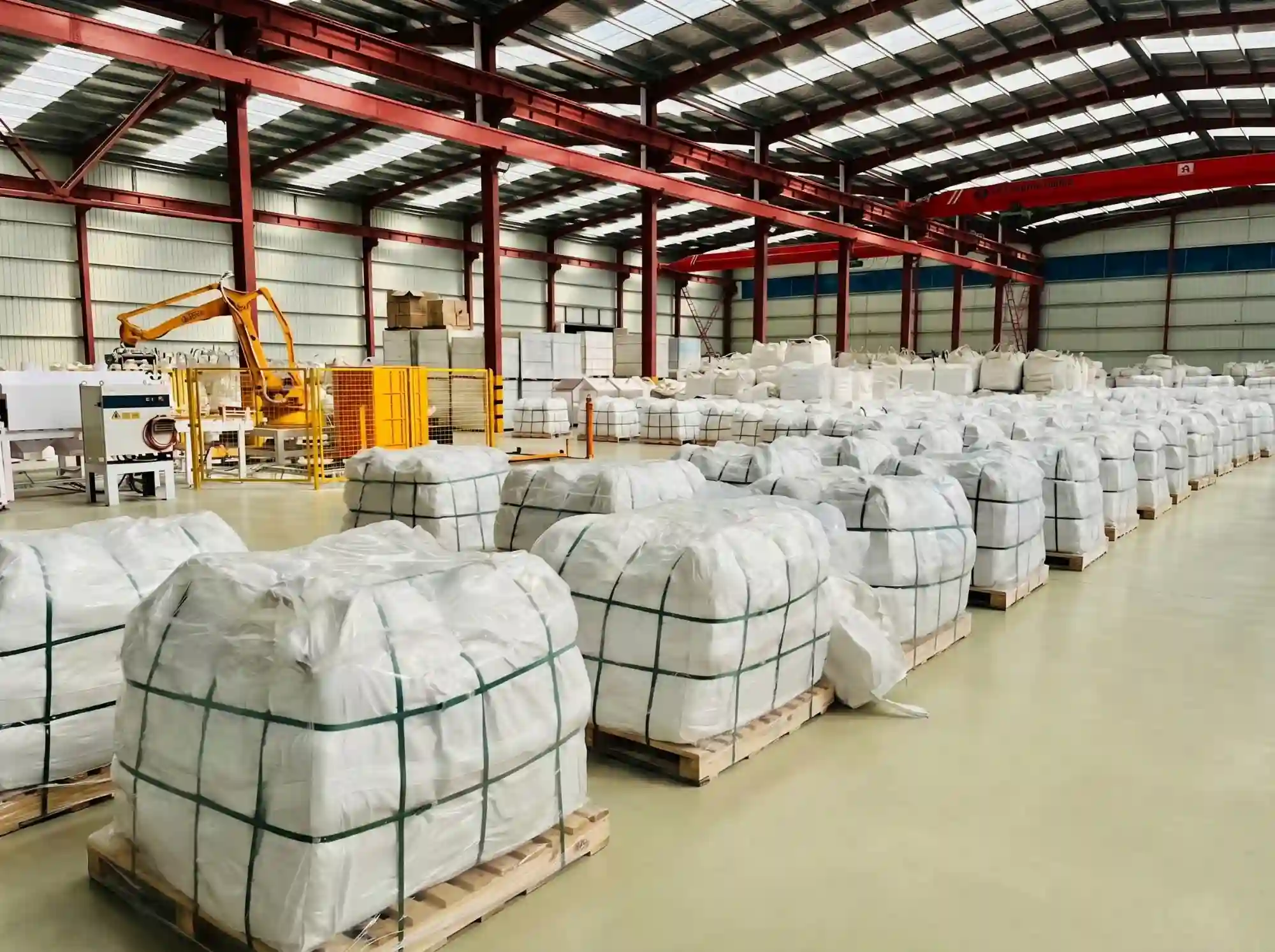
We coordinate supply from audited production partners in the Zibo refractory cluster — including facilities running dedicated lines for anti-coking and sulfur-resistant grades. The facilities we source from hold the certifications below, and batch-level chemistry reports follow every shipment — so your QA team has documented traceability before containers land.
We Engineer Castable Linings for More Than Petrochemical Furnaces
The same zone-mapped engineering and Zibo cluster-direct supply applies across furnace types. If you run cement kilns or steelmaking furnaces alongside your process operations, we can engineer those linings too.
Cement Kiln Castable
Zone-mapped castable for cement rotary kilns — feed end, calcining, transition, burning, and cooler zones. LCC and ULCC grades, full COA per shipment.
View Cement Kiln LiningSteel Furnace Lining
High-alumina and magnesia castable for EAF furnace wall, steel ladle, tundish, and taphole — zone-mapped grades with brick and anchorage coordinated in one package.
View Steel Furnace LiningFrom Inquiry to Delivered Lining System — 4 Steps
Inquiry & Scoping
Tell us your furnace type, process chemistry, current lining performance, decoking interval, and target campaign life. We ask the process questions generalist suppliers skip — and respond within 6 hours.
Technical Proposal
Within 6 hours: zone-mapped grade selection, process chemistry assessment, backup insulation specification, dry-out schedule, and FOB pricing. No commitment required.
Sample & Validation
Sample shipment available before full order. COA and process-specific test data included. We recommend physical testing and process chemistry verification at your facility before committing to a full lining program.
Production & Delivery
Coordinated production across Zibo cluster partners. Standard lead time 18–28 days FOB Qingdao. Export documentation complete on shipment.
Tell Us About Your Furnace
Share your furnace specification and process chemistry. We respond within 6 hours with a zone-mapped lining proposal and FOB pricing.